
Make Your Mark

AsiaTobyHelentAmanda in FleetDec in LiverpoolAccess in LoughboroughMYMJanet in NeverlandAsia in LiverpoolDecember in LiverpoolAnnie in WirralAsiaLornamike in LiverpoolGary in WirralSuperSuperElise in LiverpoolAccess in LoughboroughPaulDavidAnna in LiverpoolDecember in LiverpoolJeffery in WirralHelenFinn in LiverpoolSuperAccess in LoughboroughTobyE in WirralEdnaA in LiverpooltestMonday in LiverpoolPaul in WirralMYMJenna in GlasgowNovember in LiverpoolTestbecky in WirralGary in WirralSomeone in LondonAsiaKen in LiverpoolNovember in LiverpoolJason in GlasgowJason in GlasgowMonday in LiverpoolElise in LiverpoolPSK in SheffieldGaryAccess in LoughboroughAnn in WirralKieranEugeDame in LiverpoolAimee in AberdeenScott in LiverpoolAsia
They've made their mark to save more lives across Scotland. Will you make yours?
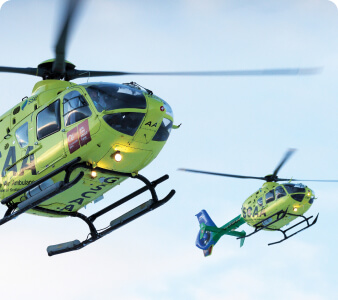
Our new air ambulance is more than a helicopter. It's part of Scotland's future. And we're inviting you, one of the incredible people who power this life-saving service, to have your name printed on it, so you can fly alongside our crews on every mission.
Your gift of £40 means your name, or the name of one of your loved ones, will be featured on a map of Scotland, on its iconic yellow belly, alongside the names of other life-saving supporters.
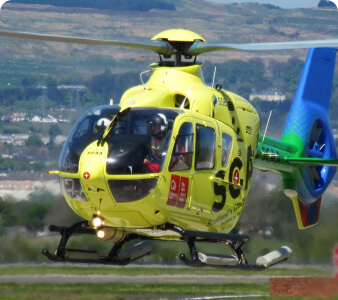
Our brand-new H145 D3 helicopter, will help make sure no-one in Scotland dies because help can't get there in time - it will offer enhanced range, endurance and capacity to serve everyone in Scotland, even in the most remote and challenging locations.
But cutting-edge features like weather radar and Night Vision Imaging System (NVIS), come at a cost. We must raise an additional £2 million a year to fund these operational enhancements.
We receive no government funding, which is why we're asking you to donate £40 to put your name on the new helicopter and help save more lives. The name you give, could help someone live - so please make your mark.
Three easy steps to
Submit your name
Add your name, or the name of loved one, to Scotland's new air ambulance for a donation of £40 or more.
Receive your gift
You'll receive a personalised certificate to celebrate your life-saving contribution.
You'll have made your mark
Your name will join other life-savers as part of a map of Scotland on the underside of the helicopter, accompanying crews on their life-saving missions.

Help our new helicopter take flight and you'll help us reach more people like those below
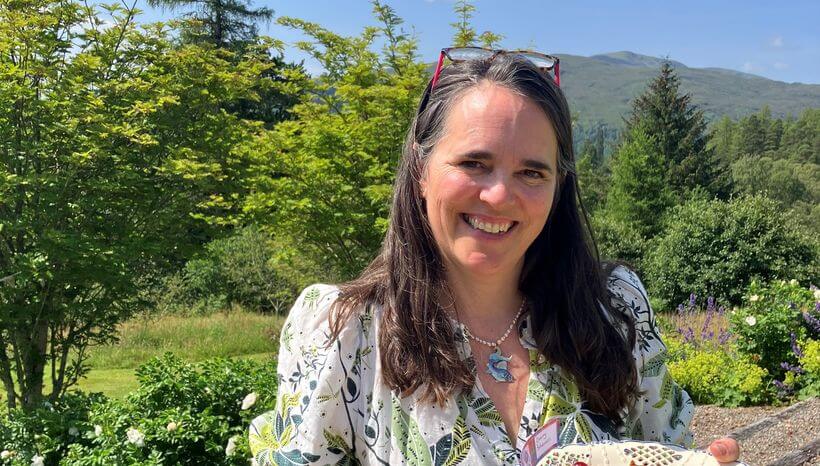
“I just got married and I always think if things hadn't turned out the way they did there's so much I wouldn't have been able to experience... I'm so grateful for every day now and to SCAA, thanks why I support them.”
Ashley

“Once the SCAA helicopter arrived, everything fell swiftly into place. They were an essential link in helping to save my life.
I wouldn't be here today if I hadn't got to the hospital in time.”
Amy
“SCAA is an invaluable service. I really don't know what I would have done without them. It would have been a truly isolating and even scarier experience without them by my side during what was undoubtedly the most difficult time of my life.”
Harris

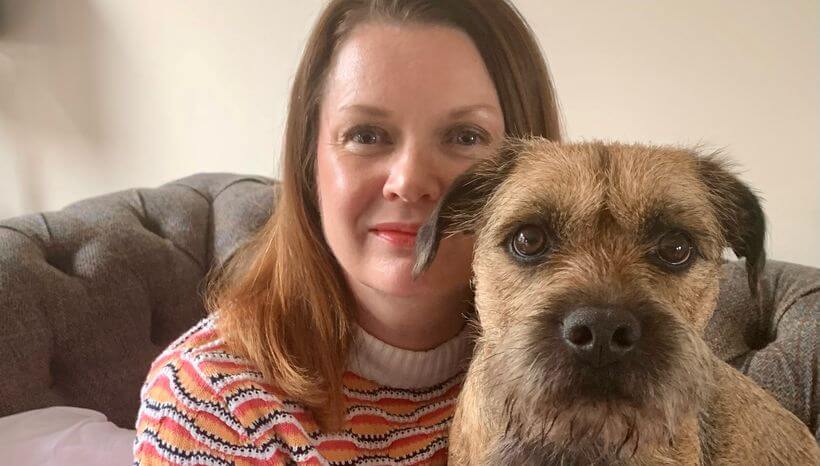
“I owe SCAA my life. I don't think I would have made it without them. When no one else can reach you - they hopefully can. I'm testament to that and their commitment to saving lives even in the most challenging circumstances.”
Duncan

“SCAA is an invaluable service in Scotland. You never think you will ever need them but trust me, when things do go wrong, this is the team you want to see. They're just amazing.”
Lesley
SCAA FAQs
-
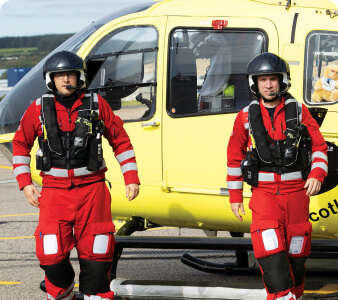
- SCAA has two bases - one in Perth and one in Aberdeen. Both bases have one air ambulance helicopter and one Rapid Response Vehicle which are online 365 days of the year. We also have charity staff located at both bases.
-
The Scottish Ambulance Service (SAS) is funded by the government. SAS operates two helicopter air ambulances and two fixed wing aircraft. SCAA was formed to increase the capacity and resilience of our national response to time-critical medical emergencies across the country. It’s a daily challenge for our emergency services to cope. SCAA is now a seamlessly integrated and indispensable part of our emergency services.
-
We need to raise £7.8 million annually to maintain our life-saving service.
-
SCAA covers the largest charity air ambulance operational area in the UK – around 30,000 square miles. We serve the entire population of Scotland, which currently equates to over 5 million people.
-
We get called to a wide variety of trauma emergencies including RTCs, equestrian injuries, agricultural, industrial and sporting injuries, falls and impact injuries. We also respond to a wide range of medical illnesses, including strokes and cardiac emergencies.
-
Our RRVs are used for emergencies within close proximity to our bases at Perth and Aberdeen Airport. Sometimes travelling by car is the quicker option to get our paramedics to the scene. If we have a day when our helicopters are offline due to unscheduled maintenance or poor weather, the RRVs give us the capability to still provide a life-saving service.
-
This is dependent upon the weight of individuals. However, there is space for 1 pilot, 2 paramedics, 1 patient and 1 patient escort or consultant doctor.
-
We operate 12 hours a day, 7 days a week, 365 days a year.
-
Approximately 5 minutes.
-
Approximately 90 minutes. There are many locations for re-fuelling whilst out on a life-saving mission, including Dundee, Oban, Edinburgh and Prestwick.
-
On average, we fly at 130mph, with a top speed of around 160mph. We usually cruise at 1500-2000 ft above ground level.
-
No, we lease the helicopters from Babcock MSC Ltd. This agreement includes pilots, maintenance and replacement helicopters when ours are undergoing maintenance.
-
There are many ways you can help, from making a donation to volunteering. For further information click 'Support Us' at the top of this page or call us on 0300 123 1111.
Operation Skyward
£2M
The additional amount SCAA must raise each year now to fund its new helicopter and operational upgrades.
With no government funding, it is only thanks to people like you that SCAA exists and is available to save lives throughout Scotland every day.
12 YRS
The length of time SCAA has been operating; thanks to the ongoing generosity from the people of Scotland, this is the largest investment into the service.
This is the first step towards SCAA’s ambition that no one in Scotland should die because help can’t get there in time.
2
Operation Skyward includes significant upgrades to the two bases:
A brand new H145 D3 helicopter at the Aberdeen Base to launch in October 2025.
An upgraded EC135 at the Perth base with night vision capability fitted in December 2024.
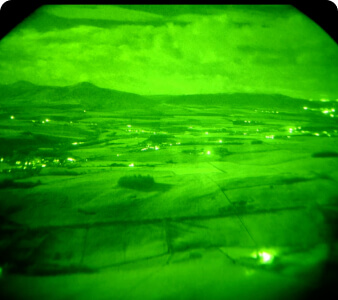
NVIS
Night Vision Imaging System (NVIS) - A new capability added to both aircraft, allowing operations during nighttime or low-visibility conditions.
This will have a significant impact during the depths of the winter months when light conditions previously proved challenging for SCAA.